
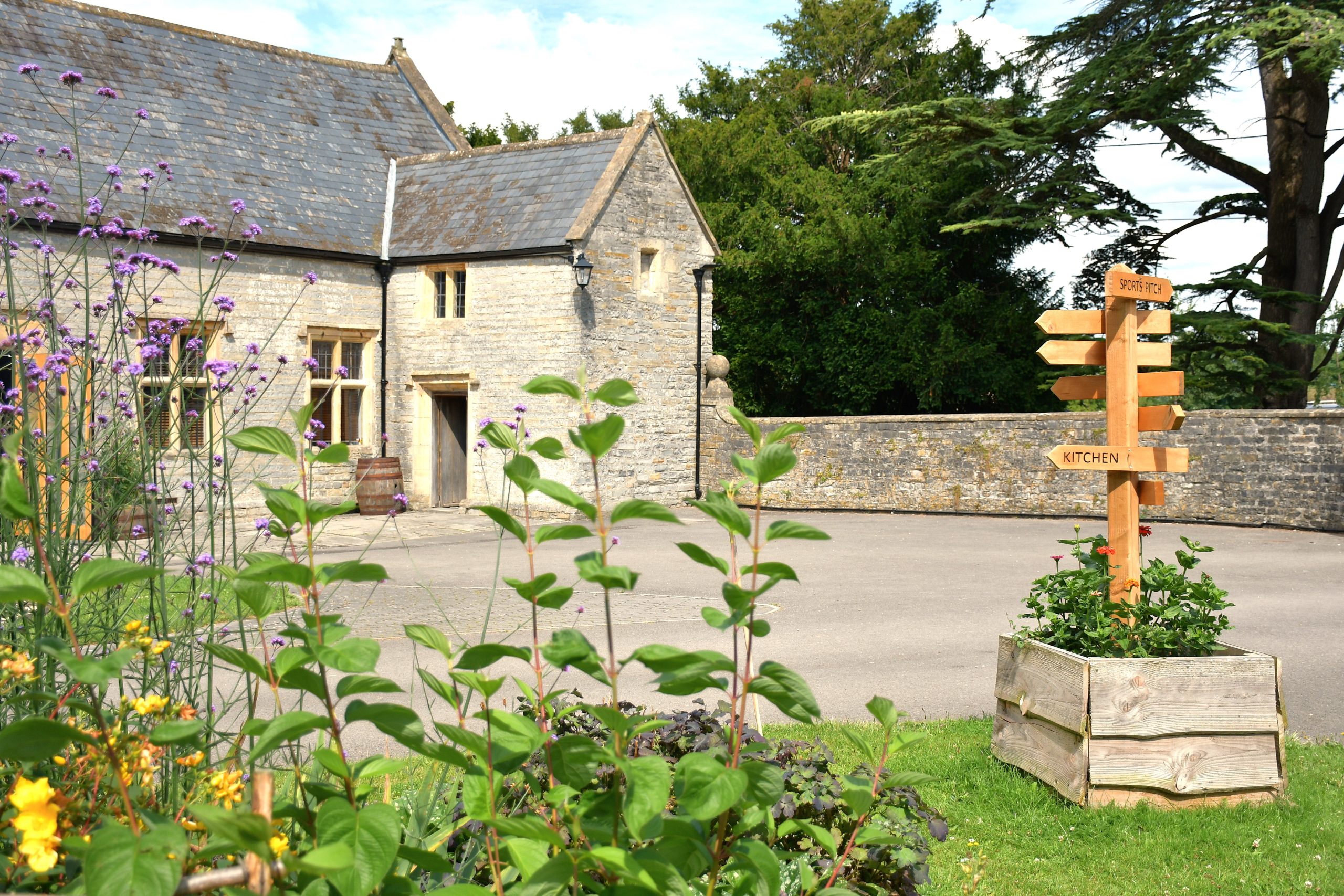
Our Vision
At Dovecote School, our vision is to help students who have struggled in mainstream education reconnect with learning, rebuild their confidence, and gain the skills they need for life beyond school. We are committed to creating an environment where education is shaped around each individual, allowing every student the opportunity to succeed and make meaningful progress.
Making the impossible achievable.
Empowered learning
Dovecote School provide a team of education and therapy specialists who have the skills and knowledge to support students with a range of SEN needs.
We are passionate about delivering a therapeutic curriculum that engenders pride, resilience, and aspiration for every pupil, preparing them to lead safe, independent lives and to be active members of their community.
Dovecote School is registered for students aged 5-18 years with needs that include Autism, Anxiety, and associated needs.
Vision

Recognising every child
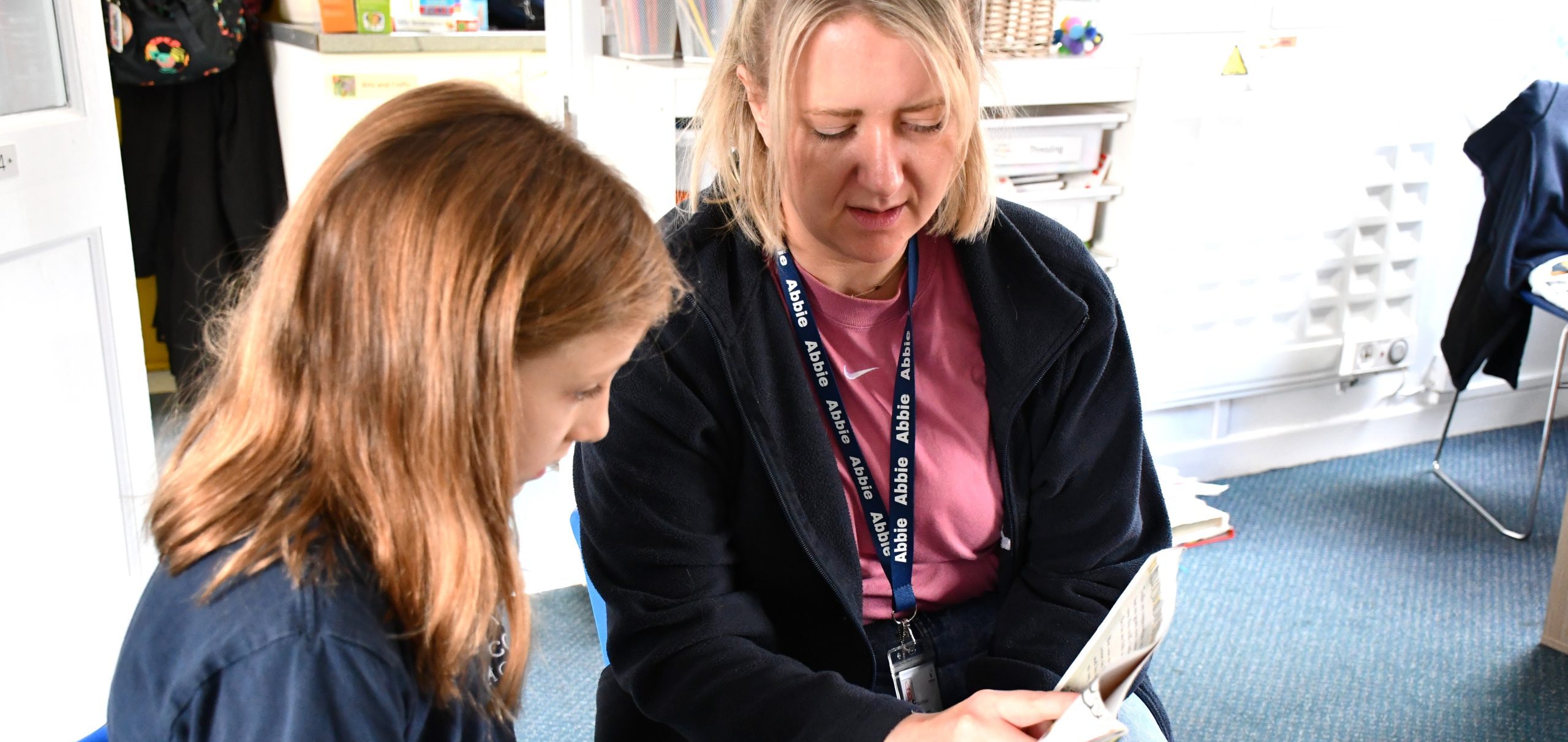
At Dovecote School, we recognise that every child is different. Our students have access to a team of skilled teachers, therapists, and other professionals who work together to ensure each child has a learning and development programme that takes their individual needs into account. We focus on enabling pupils to flourish by encouraging and building upon their individual strengths and interests, and present learning in ways that allow each student to achieve positive outcomes. Students will be within a small class of no more than 8 students. Our staff team work closely with our students to develop and adopt strategies that empower them to engage and access learning opportunities.
Extended information
Our Ethos
Dovecote School is a therapeutic, needs-led provision setting for autistic students (ASC) with social, emotional and mental health needs. Many of our students arrive having experienced anxiety, trauma, school refusal, or repeated exclusion. Our ethos (Thrive & trauma informed practice) reflects a deep understanding of these experiences and a commitment to doing things differently.
At the heart of our approach is the THRIVE therapeutic approach that focuses on emotional safety, emotional control, building social skills and Independence. We prioritise regulation, trust and build consistency though our small family school approach so that students feel safe enough to engage, take risks and make progress.
Our therapeutic approach focuses on the use of natural consequences, shining the light (reframing events) to learn from this, restorative work and enhanced learning that are PSHE focused (e.g.- the use of Social and emotional programs. (Hamish & Milo) etc.….). When students are struggling, we adapt expectations, the environment and our approaches rather than escalating demands. This can be a slow journey of development, however over time these learning experience help shape pupils to become responsible citizens.
Meaningful Progress
We recognize that progress looks different for every student. At Dovecote, success starts with a focus on social and emotional growth. It is not defined solely by academic outcomes, but by progress from each student’s individual starting point.
Progress may include:
· Increased attendance
· Reduced anxiety and improved emotional regulation
· Greater independence and self-confidence
· Improved communication and self-advocacy
· Increased engagement with peers and adults
· Engagement with learning
· Academic development where appropriate and at the right Stage
· Development of skills for learning and life
We hold high expectations, but we hold them safely — balancing ambition with compassion and realism whilst laying foundations beyond education.
What are the compulsory elements of Dovecote’s curriculum
As a therapeutic school, our compulsory curriculum focuses on meeting the child’s needs (as outlined in the EHCP). Whilst we are unlikely to tackle all requirements at the same time, we will rotationally cover all aspects across a year. Many of the EHCP targets are covered by our rolling universal provision which drip feeds these through daily practice. The focus of the needs met curriculum is to under pin the 5 areas of the EHCP from section F (communication & interactions, Social, emotional and mental health, sensory & physical, cognition and learning, and preparation for Adulthood).
Preparing Students for the Future
Our aim is not just to support students during their time at Dovecote, but to prepare them for life beyond school. We place strong emphasis on developing independence, resilience, confidence, practical life skills and success.
Through therapeutic support, real-world experiences, tailored learning to needs, and the use of Thrive approaches like shine the light, we help students build the foundations and understanding needed for adulthood, further education, employment or supported pathways.
Student can expect to have PSHE, Careers, Life skills, Thrive and Therapeutic sessions as part of their weekly timetable from . As programs expand the emphasis is placed upon comparable skills like teamwork, communication, resilience useful in life beyond dovecote. To achieve this, students will undertake trips, home cooking, careers, challenges, plan trips, explore money management, undertake work experience, have outdoor learning and Adventure education creating opportunities for practical steps to being a citizen in the wider community.
Working in Partnership
We believe that the best outcomes are achieved when schools, families and professionals work together. We value open communication, honesty and collaboration, and we see parents and carers as key partners in their child’s social and emotional journey’s.
Within our in house team, we have SALT, OT Therapists, a wellbeing and play practitioner, Art therapist and Licensed, Thrive practitioners, in addition we have a team of Therapeutic LSA who deliver 1:1 intervention and Dyslexia screening and support.
In Practice
At Dovecote School:
· We put relationships before compliance
· We support regulation before learning
· We focus on long-term wellbeing alongside academic progress
· We view poor decisions, mistakes and errors as opportunities for learning and development
We do not ask students to change who they are to succeed.
Frequently Asked questions
“Who is Dovecote right for?”
Dovecote School is right for students who:
- Have a diagnosis of autism as their primary need. Students may have additional needs such as ADHD, PDA, OCD, Dyslexia, and a range of processing and communication difficulties.
- Have experienced anxiety, school refusal, School trauma, or repeated exclusions
- Struggle to cope in busy, mainstream environments
- Need a therapeutic, relational approach to feel safe and ready to learn
“What will my child’s day actually look like?”
A typical day includes:
- A calm, relational start to the day focused on emotional regulation
- Settling routines like wake & shake, sensory circuits, breakfast or Tutor time
- Small-group high ratio staffing
- Integrated therapeutic support throughout the day- allowing for movement breaks, emotional regulation and support with social interactions.
- Intervention learning tailored to individual needs (EHCP section F)
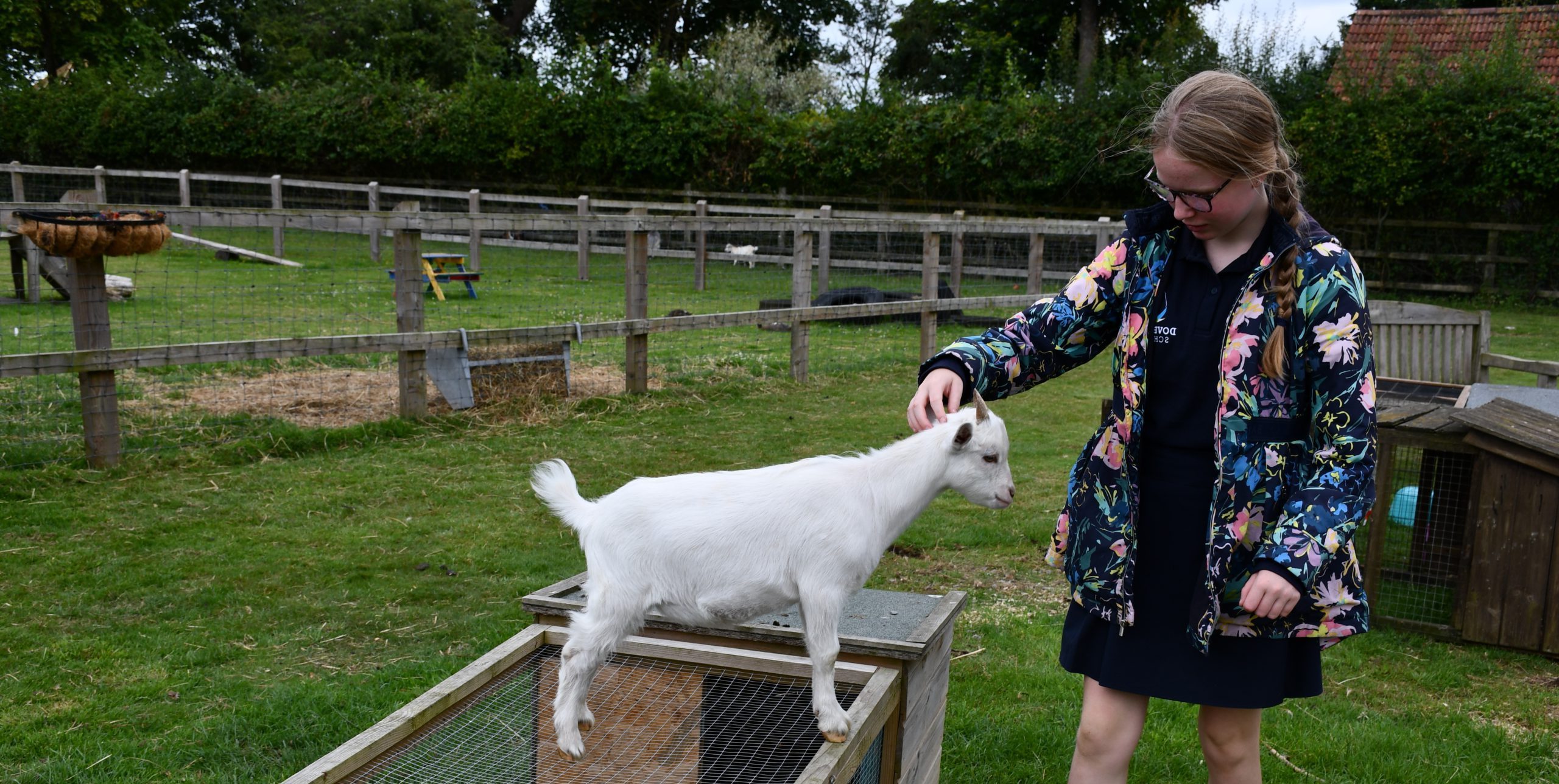
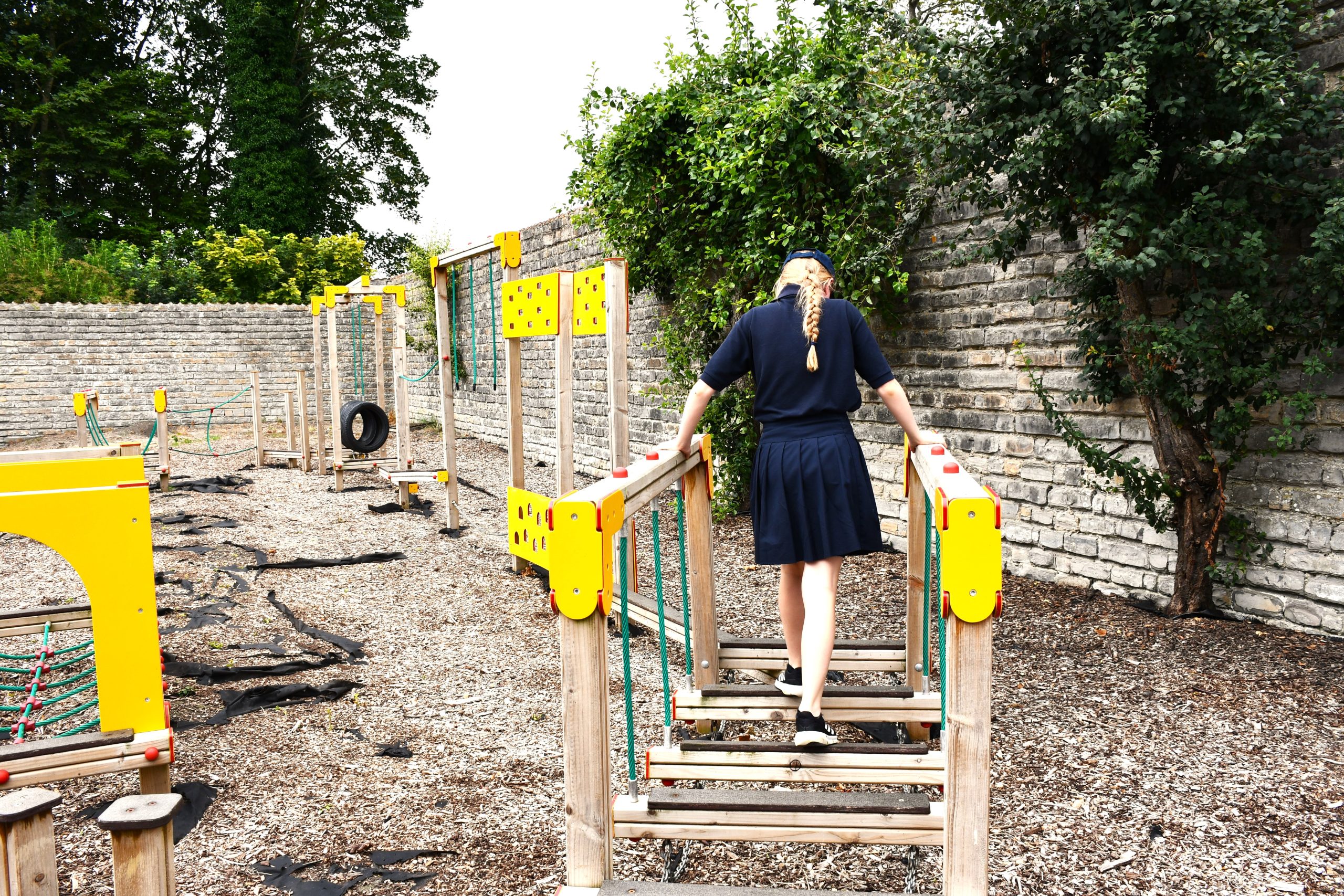
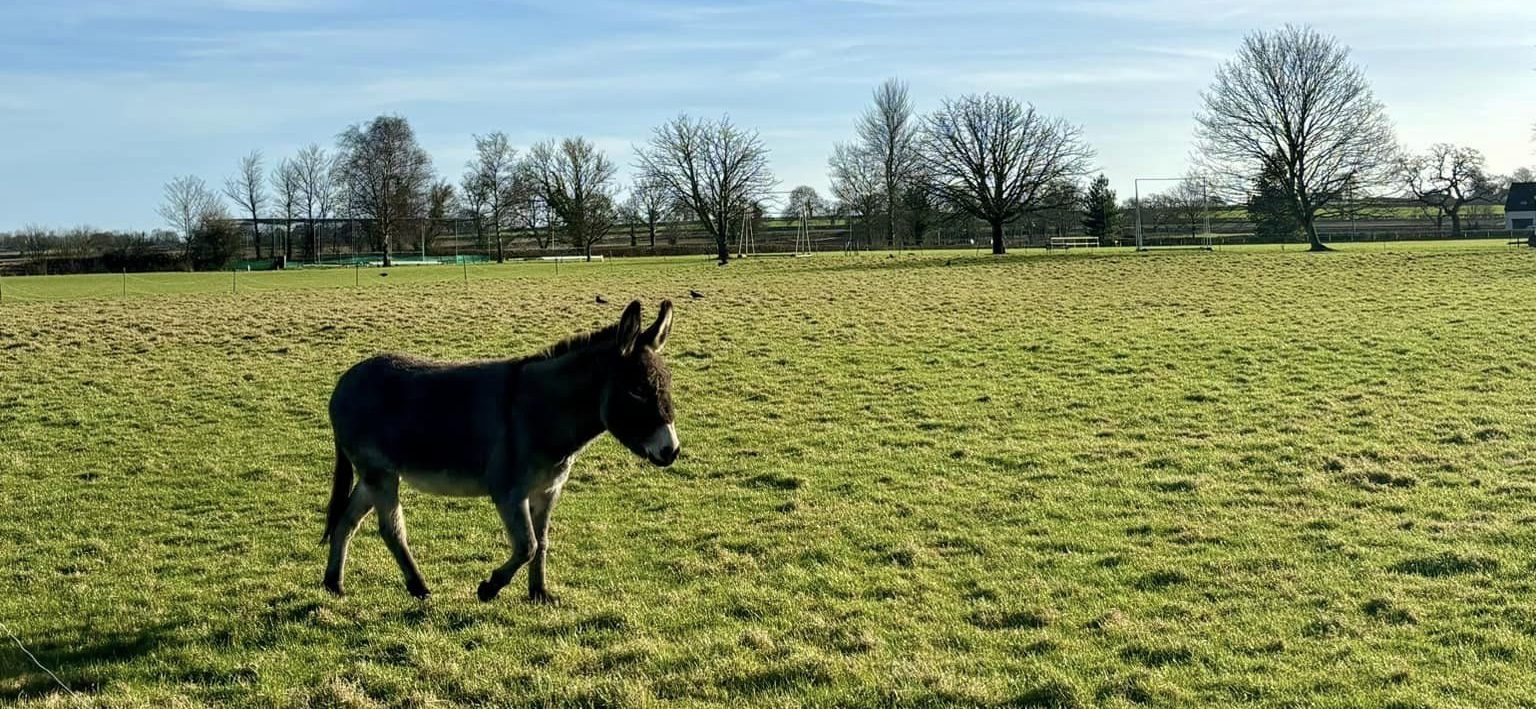
- Outdoor, practical and sensory-regulating activities Farm/ animal care, Horticulture, forest school, Adventure education and space for movement)
- Explicit teaching of communication, independence and life skills
- Planned support for transitions and endings
- Interventions support across the week (SALT, OT, THRIVE, Mental Health as class & individual session)
- Adapted timetable to meet individual needs – interest or needs led
- Opportunity to socialize with peers during lunch and break
- Breakfast, Break, Lunch meals.
- Movement and sensory breaks planned into their lessons
- When in Thinking- Academic learning based around the National curriculum with focus on Math’s and English daily and science/PE/PHSE weekly.
- Life skills & PSHE intertwined between subjects, activities and as stand alone lessons
- Careers lesson, guidance and work experience
Daily Routine
The school gates open at 8:50am, with staff available to meet and greet students as they arrive. Students who are independent may go directly to their classroom and begin their day-start activity.
Each morning begins with a settling activity designed to support regulation and readiness for learning. These may include:
- Breakfast
- Wake and Shake
- Sensory Circuits
- Tutor-based activities
Following this, students take part in two lesson periods. These are followed by a 10-minute break, before two further lesson periods leading up to lunch.
Lunch
Lunch is a shared time for all students, providing both time to eat and an opportunity for social interaction. Meals are provided by the school café, with options available to meet dairy and non-dairy dietary needs.
Students may also choose to take part in optional lunchtime clubs, which vary across the week. Examples include:
- Football
- Nature Watch
- Board Games and Tabletop Games
- Other interest-based activities
(Please see the timetable below for full details.)
Afternoon
After lunch, the whole school participates in D.E.A.R. time (Drop Everything and Read) to encourage reading for enjoyment and calm transition back into learning.
The afternoon then continues with two further lesson periods, followed by tutor time at the end of the day. Tutor time provides an opportunity for reflection, organisation, and preparation for departure.
End of the Day
Staff support students with pick-up from inside the main gate. Students begin departing from 3:00pm.
“How is Dovecote different from other SEN schools?”
What makes Dovecote different
- We prioritize emotional safety and regulation before academic demand
- We prioritize a child’s needs and work therapeutically to meet this before academic development
- Behaviour presentations are understood as communication and something to develop, not something to be punished. Natural consequence form next steps and learning opportunities.
- Therapy and education are fully integrated, not bolt-Ons
- We build confidence and independence for life beyond Dovecote
- We offer qualifications in phase 3 that match an individual’s Stage of learning.
“What outcomes should I realistically expect?”
Attending Dovecote is a journey. Over time progress at Dovecote may look like:
- Improved emotional regulation
- Reduction in anxiety
- Re-engagement with learning after school refusal (Emotional based school anxiety)
- Increased attendance and stamina for learning
- Development of communication and self-advocacy
- Growth in independence and readiness for adulthood
- Academic progress where appropriate to the individual
- Building resilience
“What happens if my child is struggling?”
When a student is struggling, we slow things down, not escalate.
We review your child’s emotional resilience and wellbeing, using Thrive assessment to address areas for emotional skills development. We adapt the environment, expectations and routines to support students feeling safe, understood and able to re-engage. This builds trust. To support your child, they may have increased access to therapeutic professionals- SALT, OT, Thrive, mental Health team. Timetables can be adapted and environmental adaptations can be used. Whilst struggle is difficult it provides us with another opportunity to learn from, using therapeutic rapport, shine the light and revisiting self regulation strategies embedding the focus on the individual and build resilience.
Our Academic Offer
“What courses can my child take?”
Once students are ready to engage with an Academic curriculum, the requirement outlined in Section F of their EHCP will support the planning of their timetable, to ensure their cognition and learning needs, their social and emotional needs, their physical and sensory needs and their communication needs are all adequately met. Communication between parents/carers and Special Educational Needs coordinators (SENCO) will ensure a well-balanced and appropriate curriculum of each child.
Phase 1 Curriculum
Students in Phase 1 are typically working within the ‘Doing’ stage of the Thrive approach, where learning is centered around exploration, connection and developing early foundations for engagement in education.
Lessons incorporate early math’s and English skills through a mixture of play-based, interactive and engaging experiences, with adults working alongside children to explore and extend their learning. Activities are often guided by children’s interests, supporting motivation, communication and curiosity.
Within the Lower School, this may include short, structured sessions in phonics, early math’s, and early reading and writing. These are usually delivered in brief 5–15 minute learning blocks, which are then followed by opportunities for interest-led play and exploration within a free-flow environment.
The learning space is designed to support different types of engagement and regulation. It includes clearly defined zones for play, exploration, quiet time and focused learning, alongside access to a dedicated sensory room and an enclosed outdoor play area.
Teaching within Phase 1 is highly personalised, with activities adapted to meet each child’s developmental stage, interests and individual needs.
Students in this phase are typically aged between 4 and 6 years, although placement is determined by developmental readiness rather than age alone.
Phase 2-4 Curriculum
Phase 2-4 supports students who have reached the ‘Thinking’ stage of the Thrive approach and typically spans Key Stages 1 to 3.
Classes are primarily led by a class teacher, who provides consistency and supports the development of secure relationships and learning routines. Specialist staff also deliver enrichment and subject-specific teaching in selected areas across the week.
Each class follows a structured timetable that reflects the National Curriculum, ensuring students access a broad and balanced range of subjects. However, teaching remains flexible and responsive to individual needs. Personalised timetables may be in place to allow students to step in and out of lessons in order to access targeted interventions, therapeutic support, or additional learning opportunities outlined in their EHCP provision.
Teaching within Phase 2 continues to balance academic development with emotional regulation, engagement and readiness for learning, enabling students to build confidence, independence and the skills needed for the next stage of their education.
Phase 3-5 Curriculum
Students in Phases 3-5 focus on qualifications that match their educational stage, learning profile and readiness, rather than their age or being restricted to a single qualification pathway.
Teaching takes place primarily at our Church Farm site, located just a two-minute walk from the main school. This setting has been designed to support greater independence and preparation for the transition to college and adulthood. Facilities include an open-access kitchen, where students can make hot and cold drinks, prepare breakfast and, at times, cook their own lunch. Students also have access to shared social spaces such as a pool room and library/dining area, supporting the development of social skills, independence and responsibility.
Staffing ratios remain supportive but are designed to encourage independence and the development of emotional regulation skills. As students prepare for their next stage of education, staff provide greater space and freedom, gradually reducing the level of direct organisation and prompting so that students can build confidence in managing aspects of their own learning and daily routines.
Students work towards a range of qualifications, which may include Entry Level courses, Functional Skills (Level 1 and Level 2), BTEC Awards (Level 1 and Level 2), and GCSEs. Progression to GCSE study is based on whether a student can access the learning style, knowledge base and assessment demands required for the course, and whether they have demonstrated secure understanding of the Key Stage 3 National Curriculum. Decisions about GCSE entry are therefore made on an individual basis for each student.
Lessons may be delivered in single or double sessions of up to 1 hour 40 minutes, with teaching still carefully structured and broken into manageable segments while covering the required examination syllabus at the appropriate level.
Students are also part of a tutor group, which provides a consistent base for daily settling, tutor time, lunch and end-of-day transitions. Within this time students will access PSHE, life skills education, careers guidance and therapeutic interventions. Alongside this, students are expected to move between classrooms and learning environments to access specialist teaching on the main site, including subjects such as science, design technology and home cooking.
This phase aims to develop academic achievement alongside independence, self-regulation and preparation for the next stage of education, training or employment.
“What Qualifications do Dovecote offer ?” (2026 offer):-
GCSEs & iGCSEs
| Subject | Qualification | Exam Board |
| Combined Science (Single/Double Award) | iGCSE | Cambridge (CIE) |
| History (9–1) | iGCSE | Cambridge (CIE) |
| English Language (9–1) | iGCSE | Cambridge (CIE) |
| Art & Design | GCSE | AQA |
| Design & Technology | GCSE | AQA |
| Geography | GCSE | AQA |
| English Literature | GCSE | AQA |
| French | GCSE | AQA |
| Spanish | GCSE | AQA |
| Mathematics (Foundation or Higher) | GCSE | AQA |
Vocational & Technical Qualifications (BTEC / NCFE / OCR)
| Subject Area | Qualification | Level | Exam Board |
| Animal Care | BTEC Tech Award | Level 1 / Level 2 | Edexcel |
| Home Cooking Skills | BTEC | Level 1 | Edexcel |
| Home Cooking Skills | BTEC | Level 2 | Edexcel |
| Creative Design & Production | Technical Award | Level 1 / Level 2 | NCFE |
| Creative Craft – Textiles | Award | Level 1 | NCFE |
| Creative Craft – Textiles | Award | Level 2 | NCFE |
| Sport (Coaching) | Certificate | Level 2 | NCFE |
| Sport (Coaching) | Diploma | Level 2 | NCFE |
| Creative iMedia | Cambridge National | Level 1 / Level 2 | OCR |
Functional Skills (English & Maths)
| Subject | Qualification | Levels Available | Exam Board |
| English | Functional Skills | Entry Level 1–3, Level 1, Level 2 | Edexcel |
| Maths | Functional Skills | Entry Level 1–3, Level 1, Level 2 | Edexcel |
Essential Maths (Everyday Life)
| Qualification | Levels Available | Exam Board |
| Essential Maths in Everyday Life | Entry Level 1–3, Level 1, Level 2 | NCFE |
Arts & Enrichment
| Qualification | Level | Exam Board |
| Arts Award | Bronze | Trinity College London |
| Arts Award | Silver | Trinity College London |
Entry Level & Foundation Learning
| Subject | Qualification | Level | Exam Board |
| History | Entry Level | Entry Level | OCR |
| Science | Entry Level | Entry Level | OCR |
| Exercise Studies | Award | Level 1 | NCFE |
| Subject | Qualification | Level | Exam Board |
| DofE | Bronze, Silver, Gold | N/A | |
| Science Crest | |||
| Stem |
Our Social interaction offer
At Dovecote, we see social understanding, emotional resilience and independence as essential life skills — not optional extras.
Many of our students have found social interaction confusing, overwhelming or unsafe in the past. We teach these skills explicitly, compassionately and at the student’s pace, within a carefully structured and emotionally safe environment.
Students are supported to:
- Develop meaningful, age-appropriate social interaction with peers and adults
- Understand boundaries, expectations and shared responsibility within a community
- Practice communication skills, including self-advocacy and asking for help
- Learn how to manage challenging situations such as conflict, frustration and change
- Build coping strategies for anxiety, uncertainty and emotional overload
- Develop independence skills that prepare them for adulthood and life beyond school
This learning happens throughout the day, not just in lessons — during group activities, practical tasks, outdoor learning, shared routines and real-life scenarios
.
We create opportunities for students to practice these skills safely, with trusted adults nearby to support reflection, repair and learning when things are difficult.
Our aim is not just for students to cope at school, but to leave Dovecote better equipped for relationships, community life, employment and independence.
“What does Dovecotes universal provision ” look like-
Our universal provision set us apart from other SEN schools and is very different from mainstream. Our universal provision includes daily use of, intertwined practice between learning frames at times and spaces that work for everyone. Over the day students may experience multiple exposure or repeated practice to improve skills. These are not interventions and recorded daily but are intended to impact students. These include: –
- High staff ratios
- Small class sizes
- Therapeutic (thrive) approach
- Adaptive practice (Movement breaks, Visuals, affirming practice, Motor skills, sensory strategies, Wake and shake/ sensory circuits, outdoor space and learning, etc.…)
- Thrive sessions (mental health & well being)
- SALT- OT universal programs- e.g. Attention autism, Motor skills,
- Enrichment- (educational trips, social trips, outdoor education, experiences, travel, life skills program, etc…)
“What does the school not offer as apart of their universal provision ”
- 1-1 staffing, we believe in having multiple key adults for each child so they can thrive and be around safe adults.
- 1 designated adult, instead we have a circle of trusted adults approach.
- 2 guaranteed LSA’s per class- this is dependent upon class ratios and student’s needs. Our ratios are low student number to high staff ratios.
- External placements at alternative provisions
- Guaranteed access to GCSE’s Qualifications will be based on students academic starting points and agreed flight paths
- Direct 1:1 OT/SALT for a long period of time
- All interventions listed in the EHCP section F at the same time all year. It is important that this form a percentage of a Child timetable, but that there is a balance of built in sensory and Academic learning inspiring a desire to attend school.
How often are Educations and health Care plans reviewed?
EHCP are reviewed yearly with parents the school and via the LA. Throughout the year the school will review provision impact. This is undertaken by the SENCO and educational team.
Section F provisions are the responsibility of the school and professional working with your child to review progress and provision. Review can include if the provision is still required, setting the duration of the program or exploring a suitable alternative. Once targets are met and professional feel progress has been met and sustained the provision ends. This will be shared with parents.
This means that as a school we may focus on select provisions per term across a year and not deliver all provisions at the same time. We recognize the demand placed upon children and balance provision with interest and academic work so that children can sustain the school day and not burn out.
It is not in the best interest of any child to roll out all of section F all at once with no review points. At Dovecote School, the team around your child will agree when your child demonstrates readiness to engage in particular section F provision and will review its effectiveness at agreed points throughout.
What are Dovecote School’s Life Skills, PSHE & Careers programs?
Life skills are embedded throughout the curriculum and build upon:
- decision-making and problem-solving.
- creative thinking (see also: lateral thinking) and critical thinking.
- communication and interpersonal skills.
- self-awareness and empathy.
- assertiveness and equanimity; and
- resilience and coping with emotions and coping with stress.
This starts with programs early in phase 2 and include emotional regulation and positive social interaction, Careers, PSHE and life skill lessons. These skills are embedded in building experiences and knowledge of topics include hygiene, money management, lifelong learning techniques.
PSHE is a spiral curriculum that is age related and covers many topics intertwined across phase, 1-3. These include Personal safety, mental health, Physical Health, Bullying and discrimination, relationships ad Sex education, physical health, mental health, money & careers, media and digital literacy and community responsibility. We use the PSHE association program.
Careers is delivered as a separate lesson in phase 3 and for student age 11 if they are able to access this. As a school, we map careers to Gatsby benchmarks and meet these standards through a variety of ways like, direct links to jobs within the curriculum, bespoke Careers lessons working on skills and understanding, as well as interview experience, cv writing, careers days,
Will my child study GCSE at year 10 (14 years old)
At Dovecote School we hold high expectations for our students and are ambitious for them to achieve meaningful qualifications that support their next steps in life. Where appropriate, we aim for students to access GCSE courses and examinations. However, we also recognise that readiness for GCSE study requires both the appropriate stage of learning and the ability to manage the demands of the GCSE examination process, including sustained concentration and recall during examinations that may last two hours or more.
Our approach is therefore both ambitious and realistic. We carefully consider each student’s learning stage, prior knowledge, wellbeing and mental health, as well as the wider impact of therapeutic and EHCP-directed interventions on their learning time. We do not believe it is in a child’s best interest to be entered for qualifications that do not suit their learning needs or current stage of development.
If a student is working significantly below Year 10 curriculum expectations or does not yet have the prior knowledge needed to access Key Stage 4 content, we will continue to teach them at their stage of learning. Missing foundational knowledge can significantly impact a student’s ability to achieve success at GCSE level.
Similarly, some students receive a high level of therapeutic support or interventions as part of their EHCP provision. While these supports are vital for their wellbeing and development, they can reduce the amount of curriculum time available to build the knowledge required for multiple GCSE courses. In these cases, the number of subjects or qualifications a student can realistically access may be adjusted to ensure their learning remains manageable and meaningful.
Where students are able and ready, we will absolutely support them to pursue GCSE qualifications. However, if a GCSE pathway is not yet appropriate, we offer a carefully structured range of alternative qualifications, including Entry Level and Level 1 courses. These qualifications recognise achievement and allow students to demonstrate their learning in ways that are better suited to their current stage and strengths.
Being offered an Entry Level or Level 1 qualification does not mean a student lacks the capability to achieve GCSEs in the future. Rather, it reflects that they may not yet be ready for the specific demands of GCSE study and examination. These qualifications can provide an important stepping stone, allowing students to build confidence, knowledge and exam readiness over time.
Different qualifications are assessed in different ways, enabling students to access pathways that more accurately reflect their abilities and current stage of learning.
When students reach the options process in April of Year 9, families will receive a detailed options booklet outlining the available qualifications, how they are assessed, and guidance about which pathways may be most suitable for each student. If you would like to review this information in advance, you are welcome to contact the curriculum team who can provide the booklet ahead of time.
What homework or extended learning do we do?
We do not expect homework to be completed as most of our student separate home and school learning. However, as students settle and move into phase 2 and eventually phase 3, homework and extended learning become more regular so that by the end of phase 3 students can independently study, revise and refresh memory for recall of qualifications building their ability for lifelong learning. In phase 2 some students have reading homework or research homework while in phase 3 these are extension, recap and research work. If homework or extension learning is set these are emailed by the class teachers.
Within school we do use a series of platforms that support home learning including IXL (Math’s & English from year 1) through to programs like Seneca and GCSE POD
What do Dovecote expect of parents?
At Dovecote we expect parents to remain involved in reviewing progress, communicating difficulties, recognising progress. This includes your attendance at the Annual review. We also expect parents to support their child by attending parents evening, options evening, revision evening, supporting work experience, transition evenings and when difficulties occur to work with the school to resolve and find a practice reasonable solution to help your child return to school.
As a school we aim to communicate swiftly, however we ask parents to remain reasonable to timescales and work with us when limitations of service occur. Where possible we provide reasonable adjustments to support your child. Parents need to be supportive to the provision offered.
Is Dovecote a No Sanction school?
No – Dovecote action response ladder is available in our Positive relation policy. This outlines the school responses and actions to different types of presentations we see in school. These are categories into anxiety, defensive and risk taking behaviours. It outlines the staff practice used daily for parents and then list an array of options available to staff as follow up/ reparative work
Do Dovecote use physical intervention/ restrictive holds?
Yes, however we only use CPI strategies as a last resort, and always with the intention of keeping your child and others safe.
Our day-to-day practice is rooted in a therapeutic approach to behaviour support, where we prioritise early intervention and regulation strategies to help students remain safe and engaged. Staff are trained to use a range of supportive approaches before any restrictive intervention would ever be considered. These include providing opportunities for movement breaks, sensory support, access to breakout spaces, and co-regulation through relational approaches such as playfulness, curiosity, and gentle topic redirection.
Our school environment is also designed to support regulation. In most areas we operate an open-door approach, allowing students to take space when they need it and access quieter environments to help them regulate. Staff work closely with students to recognise early signs of distress and support them before situations escalate.
CPI physical interventions are therefore rarely used and only when absolutely necessary, where there is an immediate risk to the safety of the student or others.
More Information
Our pupils access a broad curriculum to maximise their opportunities to achieve nationally accredited qualifications (including GCSE, BTEC, Functional Skills and other qualifications). We provide an exciting, interactive, and engaging curriculum. The curriculum is underpinned by high quality and readily available resources and technology.
Exploration and discovery are vital to development, which is why our therapeutic curriculum will provide students with plenty of opportunities to engage in activities that promote exploration and learning in multiple areas.
We foster a passion for learning through the use of a range of teaching styles that incorporate the personalised needs of each pupil. Students will be encouraged to join in interest-led activities in an environment where they feel safe and special, building in opportunities to develop their resilience and window of tolerance. All tasks will be appropriately broken down into achievable ‘chunks’ and delivered with a visual format to support each child to process and engage with their learning. Enabling us to build upon knowledge, skills and understanding.
We provide a combination of naturally occurring and structured social activities throughout the day. This allows for the opportunity to develop and practice social and emotional skills that are important to our students.
Our therapeutic curriculum includes a comprehensive program of outdoor learning focusing on positive engagement in social groups and opportunities such as Duke of Edinburgh Awards and outdoor personal challenges, many of which carry a recognised national accreditation. The purpose here is to develop problem-solving skills, interest in new experiences and creative thinking, building on resilience and emotional well-being. The therapeutic curriculum extends into our community, and includes a wide range of sporting activities and voluntary work. Where appropriate this could also be opportunities for apprenticeships and work experience.
Our integrated curriculum embeds therapeutic interventions and strategies into the educational program to transform our students’ perceptions of their own abilities and promote mental wellbeing, social-emotional development and self-help alongside independent living skills.
Our therapeutic model enables us to offer a wide range of universal, aimed and specialist interventions and supports to our students as appropriate to their presenting needs. We are ambitious about our students and are deeply committed to ensuring that they have a rich and successful experience at Dovecote School, and leave with the skills and strategies to enjoy a fulfilling and successful future and contribute to society.
Partnership working is central to our ethos, and we are committed to working closely with our families. We also offer support and advice to families so that they feel confident and informed about their child’s needs and prospects.
The Dovecote School Therapy Team include Speech and Language Therapists, Occupational Therapists and a Play Therapist that work alongside the SENCO's to support an integrated therapeutic curriculum.
A Therapeutic Approach to Education
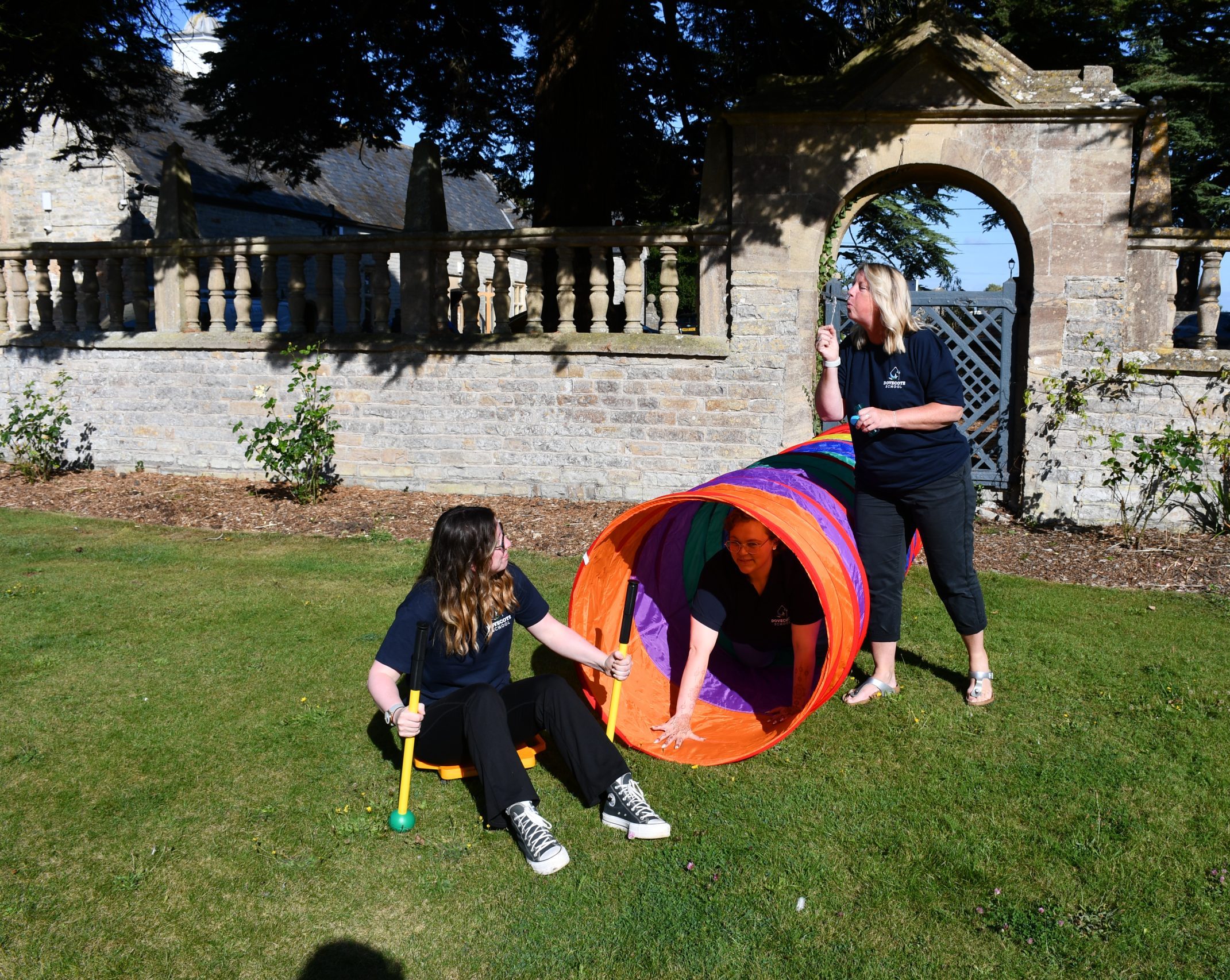
Our curriculum is therapeutic in design and delivery. This first focuses on their Thrive stage, making sure they feel safe, special and secure and then co adventuring alongside them. Once students reach the Thinking stage they start to access more formal education alongside EHCP provisions and alternative programs that build upon social skills (e.g. – Forest school, Adventure Education, Trampolining, Swimming and Enrichment excursions). Before this, the demands of formal education can be overwhelming. This process is unique to each student. As their journey progresses with us, less time is focused upon social and emotional regulation as these skills have been
developed, we then move towards appropriate qualifications. Students are taught at their stage of learning not age related learning. Cognition interventions outlined in the EHCP support closing the gap between age and stage. This combined approach means that education, emotional support and life skills are not separate strands, but fully integrated throughout the school day supported by all staff Thrive trained.
Students learn in small groups with high staff ratios, this creates lots of support and flexible structures. Learning is carefully paced, where staff remain responsive to emotional needs, and adapted daily timetables where necessary so that when ready, student can re-engage. Outdoor learning, movement, practical activities and sensory regulation are key features of our daily provision.
We focus on helping students:
· Feel safe and regulated
· Rebuild trust in adults and education
· Develop communication and coping strategies
· Re-engage with academic learning at a pace that works for them
· Build a sense or responsibility for citizens beyond Dovecote
· Build resilience
Dovecote School offers a therapeutic curriculum that integrates a therapeutic, academic and life skills approach maximising opportunities around the school site and wider community.
Our curriculum engenders pride, resilience, and aspiration for every student, preparing them to lead safe, independent lives and to be active members of their community.
The Dovecote Therapy Team supports students to acknowledge, understand and find successful ways to manage their difficulties as they develop. The Therapy Team also supports classroom staff to incorporate therapeutic ways of enhancing learning opportunities throughout the day, during all activities on their journey towards independence.
Our mission is to help young people understand how their brain works, learn to self-regulate, develop improved self-awareness, and in turn build their self-confidence.
All staff are trained in Positive Behavioural Support that together with guided therapeutic interventions, help students to understand the context and meaning of behaviour. This combined approach helps students to build better coping strategies and positive emotional regulation.
Our support for families is unique at Dovecote School, we have a dedicated Family Inclusion and Wellbeing Team to work alongside parents and carers. We recognise that the empowerment of parents through parental voice and engagement can have a significant impact on helping our students learn and grow. This service will play an important role in our student’s successful engagement at Dovecote School, in particular supporting with transitions between home and school, and with consistent strategies used both at home and at school to reduce heightened anxiety.
Discuss a referral
For details of open mornings, to arrange a visit, or discuss our admission process, please contact:
Daisy John - Referral, Assessment and Transition Coordinator
djohn@dovecoteschool.co.uk